What Attracts Ants? Causes And How To Stop Them
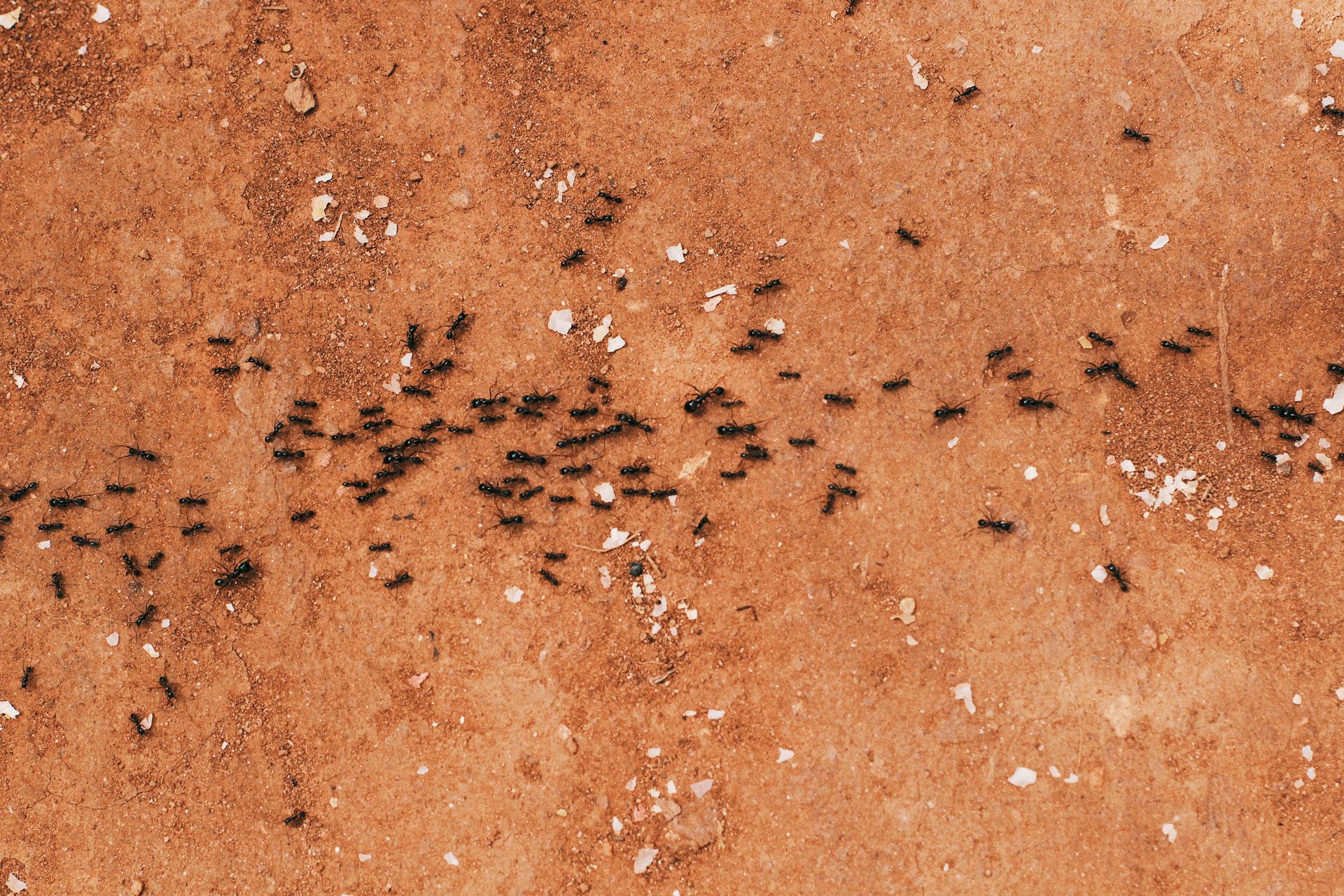
If you're seeing ants in your kitchen, it’s not random, and wiping the counter won’t solve it. Ants seek food, water, and shelter. Dropped crumbs, spills, exposed pet food, moisture issues, and small exterior gaps attract nearby colonies. Once a source is found, an ant leaves a scent trail for others. Stopping them requires removing food and water, sealing entry points, and breaking the scent trail. Cleaning helps, but it rarely solves the root problem if a colony is established nearby.
In this guide,
Domination Extermination explains exactly what attracts ants to homes, how ants establish scent trails, why cleaning alone rarely solves the root problem, and what steps eliminate the colony and stop ants from coming back.
Key Takeaways
- Ants enter homes for food, water, and shelter - crumbs, spills, moisture, and small gaps attract nearby colonies.
- Scout ants leave scent trails, quickly turning a few ants into a larger infestation.
- Weather changes and disturbances often trigger ants to move indoors.
- Prevention helps but won’t eliminate an active colony already nesting nearby.
- Permanent control requires eliminating the colony and protecting the home’s perimeter.
Why Are Ants Attracted To Homes?
Your house is climate-controlled, dry in the winter, cool in the summer, and full of food. To ants, that’s a five-star resort. Outdoor colonies often push inside during heavy rain, extreme heat, or after lawn treatments disturb their nest. During colder months, many homeowners also wonder where ants go in the winter, and the answer often explains why they end up inside.
Homes offer steady access to sugar, protein, grease, and moisture year-round - everything an ant colony needs to survive and grow.
Do Ants Prefer Shelter Or Nesting Areas Indoors?
Most ants would rather nest outside and forage inside. But certain species will absolutely set up shop in walls, insulation, or under floors if conditions are right.
Common indoor-invading species in South Jersey include:
- Carpenter Ants (nest in damp or damaged wood)
- Odorous House Ants (attracted strongly to sugar)
- Pavement Ants (nest in cracks and foundations)
Moisture issues, wood damage, and void spaces behind cabinets create perfect nesting zones. Once ants establish an indoor colony, the problem escalates quickly and becomes much harder to control.
Why Are Ants Suddenly In My House?
Ant infestations rarely begin “suddenly.” Something changed.
Common triggers include:
- Heavy rain or heat waves
- Nearby construction
- New food availability
- Landscaping disturbances
- Irrigation changes
In South Jersey, we frequently see increased activity after heavy summer storms. Colonies nesting near foundations become waterlogged and relocate upward into wall voids or kitchens.
Homeowners assume the ants appeared overnight - but in most cases, the colony has been within 10–20 feet of the structure for months. You’re just now seeing the foraging trails.
What Food Attracts Ants The Most?
Sugar is number one. Common attractants include:
- Soda spills
- Juice and syrup
- Candy
- Even toothpaste residue
But don’t overlook protein and grease. Pet food, meat scraps, and cooking oils are strong attractants, especially for larger species. Ants adjust their diet based on what the colony needs, so anything edible is fair game.

Does Moisture Or Water Attract Ants?
Absolutely. Water is just as important as food. Common moisture sources:
- Leaky pipes
- HVAC condensation
- Damp crawl spaces
- Clogged gutters
- Poor drainage near foundations
In winter, especially, ants often enter homes strictly for moisture. Fixing water issues is one of the most overlooked - yet critical - parts of long-term ant control.
How Do Ants Find Their Way Inside?
Ants enter through gaps you don’t even notice. Tiny cracks in foundations, door sweeps that don’t seal tightly, utility line openings, and window frames are common access points. Once inside, they follow edges like baseboards and countertops, using scent trails to guide the colony.
7 Common Entry Points That Allow Ants Inside
- Foundation cracks
- Expansion joints
- Gaps around hose bibs
- Damaged weather stripping
- Unsealed garage doors
- Utility penetrations
- Electrical conduit openings
If you can slide a business card through it, ants can use it. That’s why perimeter treatments matter.
Are Ants Harmful Or Dangerous?
Most household ants are more of a nuisance than a direct threat. But some species can bite, contaminate food, or cause structural issues. For example, carpenter ants can damage wood over time, especially if moisture is present. In South Jersey, that's something you don't ignore.
Do Ants Spread Bacteria Or Damage Property?
Yes, they can. Ants travel through trash, soil, and drains before walking across your counters. That means they can transfer bacteria to food prep areas.
Structural damage is less common but possible with wood-destroying species. The real risk is allowing a small, manageable issue to grow into a large, established colony inside your walls.
How To Stop Attracting Ants Naturally
Prevention reduces attraction but does not eliminate established colonies. If you're looking for a deeper breakdown of what keeps ants away long term, start with the right strategy.
- Keep food sealed
- Wipe spills immediately
- Take trash out regularly
- Fix leaks quickly
- Store pet food in airtight containers
- Seal cracks with exterior-grade caulk
- Trim vegetation away from the foundation
These steps reduce attraction, but they will not eliminate an active colony already nesting nearby or inside the structure.
When Should You Call A Professional Exterminator?
Consider professional treatment if:
- Ants return after cleaning
- Activity spreads to multiple rooms
- You suspect nesting in the walls
- You see winged ants indoors
DIY sprays kill what you see, not what you don’t. A proper pest control treatment targets the source, protects the perimeter, and helps prevent reinfestation.
Schedule Your Free Inspection With Domination Extermination
If you’re in South Jersey and tired of chasing ants around your kitchen, let’s handle it the right way. At Domination Extermination, you deal directly with the owner, not a call center. We identify the species, locate the nest, treat the structure thoroughly, and implement a prevention plan that keeps them out long term.
Schedule your free inspection today and stop the ant infestation before it spreads with
our ant control services.
FAQs
Why do ants just suddenly appear?
They don’t. A food source, moisture issue, or weather shift triggered visible activity. The colony was likely already nearby.
What keeps ants away?
Sealing entry points, eliminating moisture, removing food sources, and applying a proper exterior barrier treatment. It’s a combination approach.
How do I get rid of ants permanently?
Permanent control means eliminating the colony and protecting the structure. That usually requires professional treatment and ongoing monitoring.
What causes ants in a clean house?
Clean homes still have water lines, wall voids, and microscopic food particles. Clean does not mean sealed or protected.
Can ants come back after treatment?
Yes, they can if new colonies move in or conditions remain attractive. That’s why ongoing protection plans are smart. One-time treatments rarely provide long-term protection.