Where Do Ants Go In The Winter?
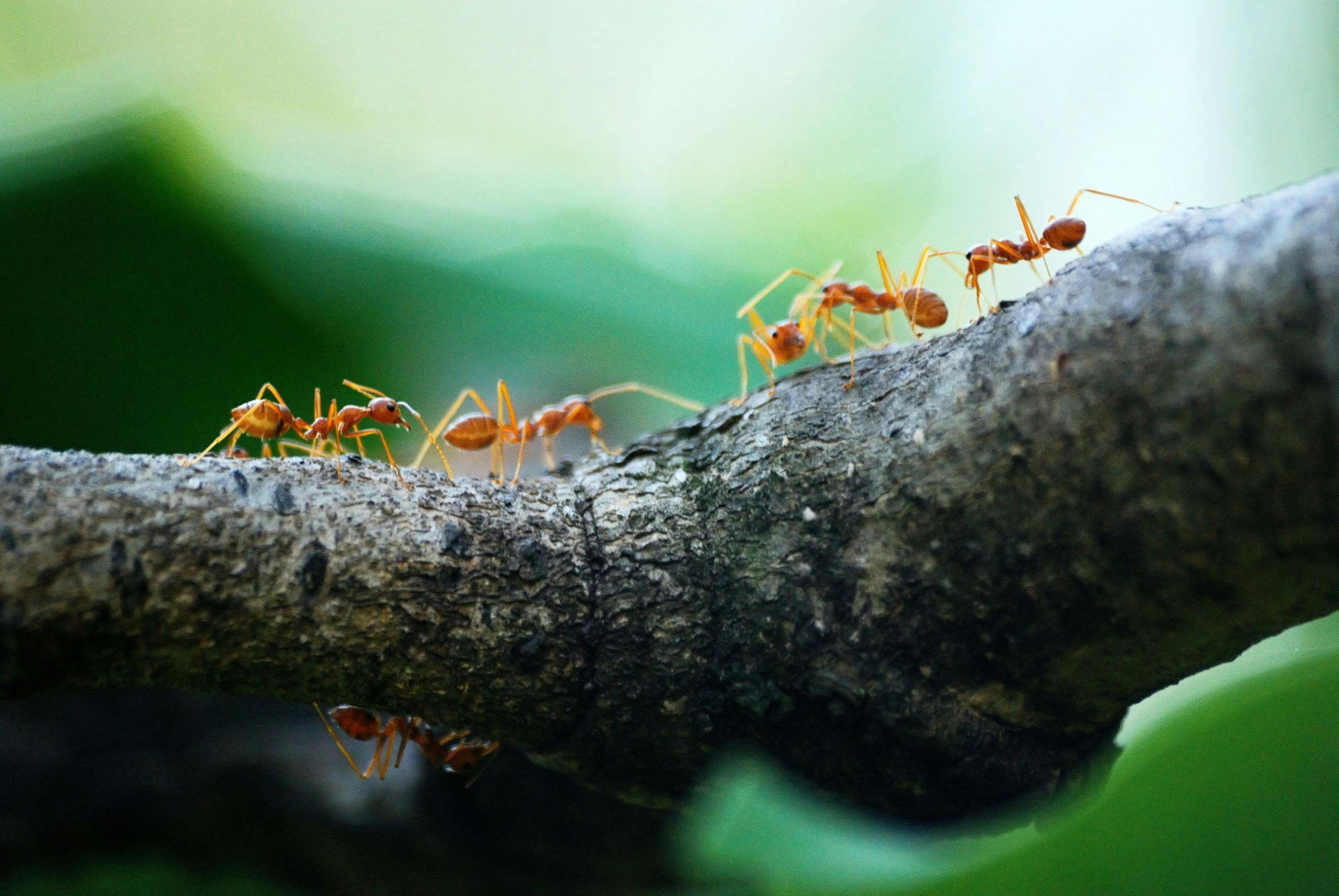
When winter hits, ants don’t magically disappear - they retreat. If you’ve ever wondered, “Where do ants go in the winter?”, the answer is simple: survival mode. Most ants move deeper underground, into wall voids, or into protected areas where temperatures stay above freezing. Their goal is simple: survive the cold with minimal energy loss. If your home provides warmth, guess where some of them end up.
Key Takeaways
- Ants don’t disappear in winter - ants in winter retreat to protected areas such as underground nests, wall voids, or below the frost line.
- Most ants enter a dormant state called diapause, where movement and reproduction slow or stop, allowing colonies to conserve energy until spring.
- Indoor winter ant activity often signals a nearby or hidden colony, drawn inside by warmth, moisture, and food, especially in poorly sealed homes.
- DIY ant control is usually ineffective in winter, as it pushes ants deeper into hidden nesting sites instead of eliminating the colony.
- Professional extermination targets the source, using non-repellent products, entry-point sealing, and colony-focused treatment to prevent spring infestations.
What Happens To Ant Colonies When Winter Arrives
Ant colonies slow way down in winter. The queen stays protected, workers reduce activity, and food consumption drops sharply. Colonies that planned ahead survive just fine. Colonies that didn’t? They invade structures. Well-established colonies rely on stored food and protected nesting sites, while weaker colonies are forced to search for warmth - and that’s when ants in the home in winter become common. Winter separates weak colonies from smart ones.
Do Ants Hibernate Or Go Dormant In The Winter?
Ants don’t technically hibernate, but they enter a dormant state called diapause. Their metabolism slows, movement becomes minimal, and reproduction pauses. This biological slowdown allows colonies to conserve energy for months at a time. This is why you see fewer ants - but not zero ants.
How Do Ants Survive Freezing Temperatures Outdoors?
Outdoor ants survive winter by nesting below the frost line, beneath rocks, tree roots, sidewalks, and building foundations. This is a key reason ants don’t die in winter the way many people assume. Some species even produce natural antifreeze compounds in their bodies to withstand freezing temperatures.
Cold kills exposed ants, but protected colonies survive winter without breaking a sweat. Species such as carpenter ants and pavement ants are especially well adapted, which explains why ants in winter - and even ants in the house in winter - are so commonly reported.
Why Do Some Ants Come Inside Houses During Winter?
Because your house is a climate-controlled survival bunker. Heat, moisture, and food odors pull ants inside through cracks, utility lines, and foundations. Winter ants aren’t random - they’re desperate and determined.
What Attracts Ants To Homes In Cold Weather
- Warm indoor temperatures
- Crumbs, grease, and pet food
- Moisture from sinks, basements, and bathrooms
- Poor exterior sealing
If ants find one of these, they’ll keep coming back. Once a trail is established, repeat invasions become far more likely.
How To Prevent Ants From Invading Your Home During Winter
- Seal cracks, gaps, and entry points
- Eliminate food sources completely
- Reduce moisture indoors
- Store food in airtight containers
- Maintain a professional exterior barrier
These steps help prevent ants in winter, but DIY sprays rarely solve winter ant problems in houses. In fact, they often push colonies deeper into walls.
When Winter Ant Activity Signals The Need For A Professional Exterminator
If you see ants in winter, that’s a red flag - not a minor nuisance. Winter ants usually indicate an established colony inside or directly against your structure. At this stage, the problem is rarely superficial. Over-the-counter treatments are typically a waste of time.
Learn more about ant extermination cost before the problem gets worse.
How Domination Extermination Handles Winter Ant Problems
Domination Extermination targets ants at the source - not the surface. As a professional ant control service, winter treatments focus on:
- Non-repellent professional-grade products
- Colony elimination, not just visible ants
- Interior and exterior strategic barriers
- Entry-point identification and prevention
The goal is simple: stop ants now so they don’t explode in spring. Effective winter treatment reduces the risk of severe infestations when temperatures rise. Schedule ant control appointment with us today!
FAQs About Ants In Winter
Do ants survive in the winter?
Yes, most ant colonies survive winter just fine. That’s why spring infestations happen. Winter survival equals spring explosions.
Why should you not squish ants?
Squishing ants releases pheromones that signal danger - and attract more ants. You’re basically calling reinforcements. This chemical signal tells nearby ants to investigate. Kill one, ten more show up.
What month do ants go away?
Ants don’t truly “go away”. Outdoor activity slows between late fall and early spring, but indoor infestations can happen anytime, especially from November through March.
Where do ants go when it’s raining?
Rain forces ants into higher ground, wall voids, foundations, and - yes - homes. Heavy rain often triggers sudden indoor ant sightings. Flooded outdoor nests are a common cause of these spikes.
Do ants come back every winter?
If the colony isn’t eliminated, absolutely. Ant problems are seasonal, but infestations are permanent until professionally resolved. Ignore them now, and they’ll be worse next year.