
What Smells Do Mice Hate?

If you’re dealing with mice in your South Jersey home, you’ve probably searched what smells do mice hate, hoping for a quick solution. Strong scents like peppermint oil, ammonia, vinegar, cloves, and cayenne pepper can irritate mice and make small spaces less inviting, but smells alone rarely eliminate an infestation.
In this guide,
Domination Extermination explains which scents actually repel mice, why they work, how long they last, and when professional rodent control is necessary. A strong odor may slow mice down, but lasting protection requires removing nests and sealing entry points.
Key Takeaways
- Peppermint oil and other strong smells may repel mice temporarily, but they do not eliminate infestations.
- Most natural mouse repellents lose effectiveness within 2–3 days and require frequent reapplication.
- Mice can adapt to smells if food and shelter remain available.
- Repellents do not remove nests or stop breeding (mice reproduce about every 21 days).
- Permanent control requires sealing entry points, trapping, and professional treatment.
Why Do Strong Smells Repel Mice?
Strong smells repel mice because their survival depends heavily on scent-based navigation, food detection, and communication. Mice use pheromone trails to locate food sources and identify safe travel routes.
When a powerful odor is introduced:
- It irritates their nasal passages
- It disrupts scent trails
- It interferes with communication between mice
Peppermint oil works primarily because menthol overstimulates their olfactory receptors. Ammonia can mimic predator urine, triggering avoidance behavior. However, irritation is not the same as elimination. In real-world infestations, mice often tolerate unpleasant smells if food sources remain accessible.
Essential Oils That Repel Mice
Certain essential oils are commonly used as natural mouse deterrents:
- Peppermint oil
- Eucalyptus oil
- Clove oil
- Cinnamon oil
Peppermint oil is the most effective natural scent deterrent. Many homeowners ask, does peppermint oil repel mice? The answer is yes - temporarily. Peppermint oil can function as a natural mouse deterrent and peppermint oil as mouse deterrent, but it does not eliminate nests or breeding populations.
Homeowners often place cotton balls soaked in peppermint oil near entry points. However, evaporation limits effectiveness. Most essential oils lose potency within 48–72 hours and require frequent reapplication. Furthermore, these methods primarily deter early-stage activity, not established infestations.
Household Smells Mice Avoid
Some common household smells people try when searching “how to get rid of mice home remedies” include:
- Ammonia
- Vinegar
- Mothballs
- Cayenne pepper
Ammonia mimics predator urine, which can make mice uneasy. Vinegar can temporarily mask scent trails.
Important Safety Note: Mothballs contain naphthalene or paradichlorobenzene and are not labeled by the EPA for indoor rodent control in living spaces. Using them improperly can pose health risks to humans and pets.
These methods may help deter activity in very small areas, but they do not address nesting sites or entry points.
How Long Do Natural Mouse Repellents Last?
Most scent deterrents are short-term solutions.
- Essential oils: 2–3 days
- Powders: Until disturbed
- Sprays: A few days at most
Because mice reproduce every 21 days, short-term scent solutions cannot outpace an active breeding population. If you’re trying “how to get rid of mice naturally”, understand that scent-based methods alone will not stop reproduction or structural entry.
Do Mice Get Used To Smells?
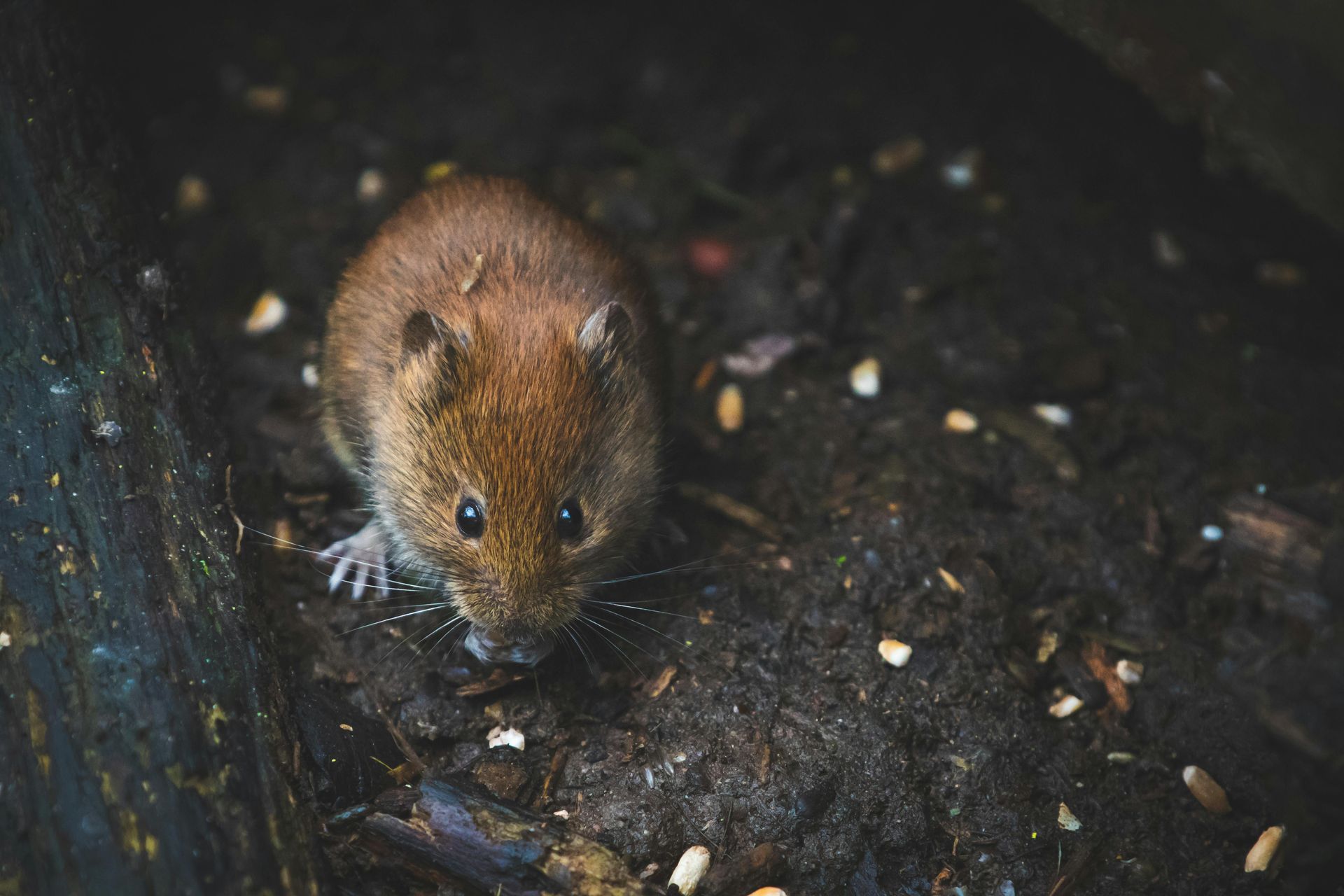
Yes. Mice can adapt. If the smell isn’t causing real harm and food is nearby, they often tolerate it over time. Behavioral adaptation is one of the primary reasons DIY scent methods fail. The initial drop in activity may appear successful, but it is often temporary.
What Smells Attract Mice Instead?
While people focus on “what smells do mice hate”, it’s equally important to understand what attracts them.
- Peanut butter
- Chocolate
- Pet food
- Bird seed
- Garbage
- Grease
Mice are strongly attracted to high-fat and high-protein food sources. Even small grease accumulations beneath a stove or crumbs behind appliances can sustain a small colony.
When Natural Repellents Aren’t Enough
If you’re hearing scratching in the walls, seeing droppings, or finding chewed materials, natural repellents are not going to fix it. At that point, you’re dealing with an active infestation. Repellents do not:
- Remove nests
- Seal entry points
- Stop breeding cycles
That requires a targeted approach.
If you're unsure where mice are nesting inside your home, learn more about where mice live and hide to understand common nesting areas and structural risk zones.
Professional Rodent Control vs DIY Methods
DIY scent methods may help in early detection situations. However, once mice are established, professional control is significantly more effective.
A complete rodent control program includes:
- Full interior and exterior inspection
- Identifying structural entry points
- Strategic trapping placement
- Exterior baiting when appropriate
- Sealing cracks, gaps, and utility penetrations
- Ongoing monitoring
At Domination Extermination, we identify the root cause of mouse activity and correct the structural vulnerabilities that allow infestations to occur.
Schedule A Professional Mouse Inspection With Domination Extermination
If you’re in South Jersey and dealing with mice, don’t waste weeks testing oils and sprays while the problem grows. Contact Domination Extermination to schedule a professional rodent inspection. We’ll assess your home, explain exactly what’s going on, and build a plan to eliminate the issue the right way.
No call centers. No guessing. Just real, hands-on service from a local family-owned company that takes your home seriously.
FAQs
What smell do mice hate the worst?
Peppermint oil is widely considered the strongest natural scent mice dislike. It’s commonly used in natural mouse repellent products, but it will not eliminate an established infestation.
What will mice not cross?
Mice will avoid strong irritants temporarily, such as heavy concentrations of peppermint oil or cayenne pepper. But if food and shelter are present, they will eventually cross those barriers.
What home remedy gets rid of mice fast?
There is no reliable home remedy that gets rid of mice fast. Trapping can reduce numbers quickly, but full elimination requires locating nests and sealing entry points.
How do you keep mice out permanently?
Permanent prevention requires exclusion. That means sealing cracks and gaps around pipes, foundation openings, and roofline access points. Sanitation and proper food storage are also critical. Repellents alone are not a long-term solution.
Can smell alone eliminate a mouse infestation?
No. Smells may deter or temporarily disrupt activity, but they do not remove nests, stop breeding, or close entry points. Professional treatment is usually necessary for full elimination.