
How Do You Get Termites? Causes and Prevention
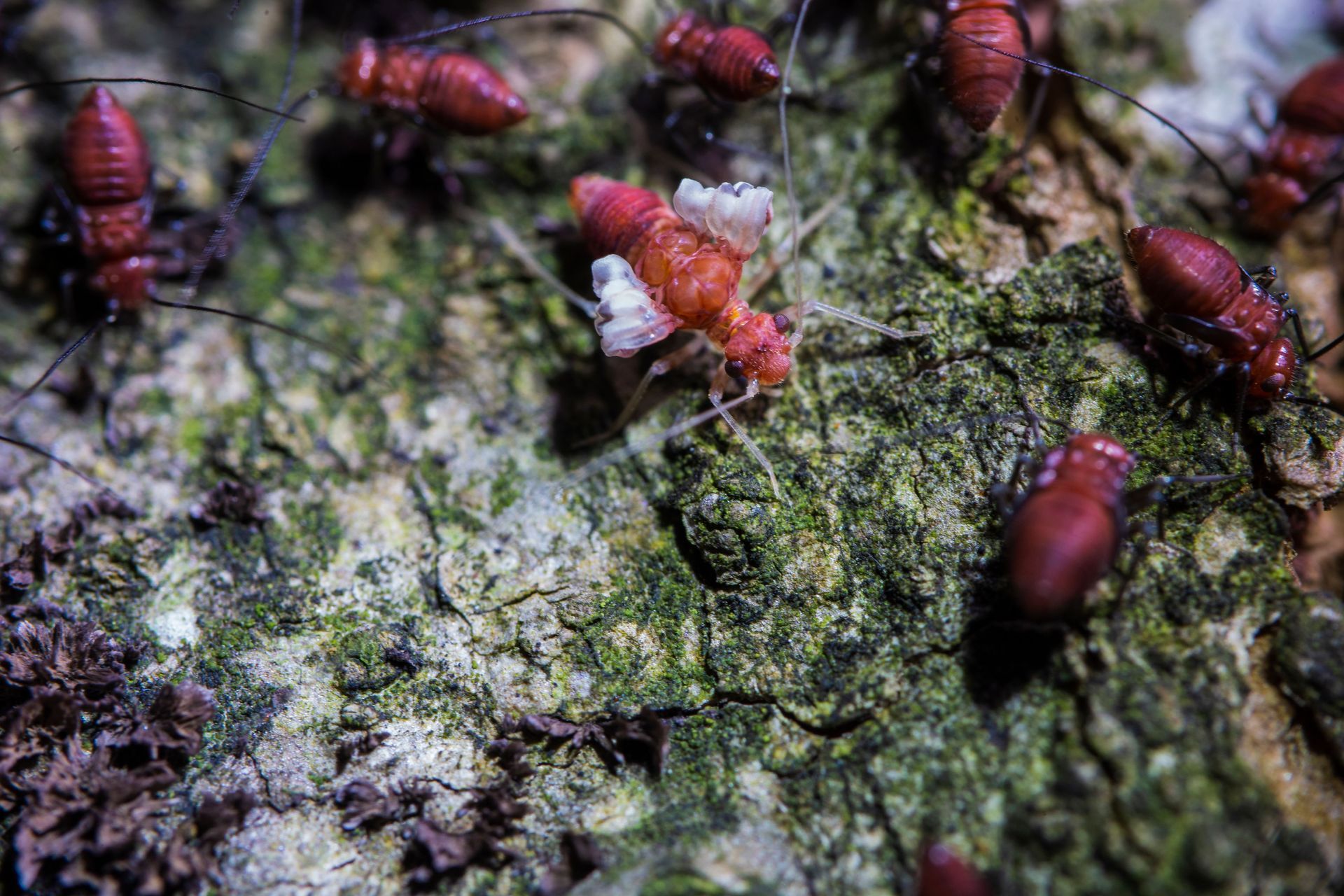
Termites enter homes by following cellulose, moisture, and hidden openings in wood or soil. Subterranean termites travel through mud tubes from underground colonies, while drywood termites arrive inside infested furniture, firewood, or lumber. Swarmers establish new colonies after mating flights in spring or fall. Termites cause an estimated $5 billion in US property damage each year, according to the National Pest Management Association. Understanding each entry route is the first step toward stopping an infestation before it reaches the structure.
Key Takeaways
- Subterranean termites can squeeze through foundation cracks as narrow as 1/32 of an inch to reach wood above ground.
- Drywood termites do not need soil contact and often arrive hidden inside furniture, firewood, or imported lumber.
- Moisture reduction, proper drainage, and crawl space ventilation are the three most effective prevention measures homeowners can apply without professional help.
- A professional termite inspection locates hidden mud tubes, frass deposits, and internal wood damage that visual checks miss.
- Termites are found in every US state except Alaska, with the highest activity concentrated in Gulf South and coastal regions.
How Do You Get Termites?
Termites get into homes by locating cellulose and moisture, then exploiting hidden routes into wood. Subterranean termites typically start in soil, while drywood termites often arrive inside infested items, and swarmers establish new colonies during spring or fall mating flights.
Once termites discover cellulose in wood, cardboard, paper products, or dead plant material, they will settle in. Most species require damp conditions, especially subterranean and dampwood termites. Workers spread quickly through framing, subfloors, and wall voids once they find a reliable food source.
Swarmers are winged reproductives that leave mature colonies during warmer months. After mating, they shed their wings and search for a location to start a new nest. Piles of discarded wings near lights or windows are a reliable sign of termite activity nearby.
What Attracts Termites to a Home?
Cellulose, moisture, and decaying wood draw termites to a home. Cardboard boxes, paper, wood rot, and water-damaged lumber raise the risk significantly.
Poor drainage near foundations creates damp soil that supports subterranean termite foraging. Cardboard and paper stored in basements become easy targets. Dampwood termites prefer humid spaces with wood rot, particularly in crawl spaces and lower levels, while water-damaged wood gives termites easier access and faster feeding.
Clogged gutters send water against exterior walls and soften wood over time. When moisture and cellulose appear together, termite activity is rarely far behind.
How Do Subterranean Termites Enter Houses?
Subterranean termites enter houses through mud tubes, foundation cracks, and utility openings. They construct pencil-thin tubes from soil and saliva to reach wood above ground, and can pass through cracks as narrow as 1/32 of an inch.
These tubes protect termites from dry air and predators while they move between soil and structure. They often travel along concrete, plumbing, or hidden gaps near slabs. Because the tubes remain concealed behind walls and under floors, homeowners typically miss them until structural damage has already spread.
Utility line gaps around plumbing, electrical lines, and HVAC pipes also create access points. Soil treatment with termiticides forms a chemical barrier around the foundation that interrupts this travel path. Subterranean termites can forage up to 150 feet from their colony, which means visible damage inside a structure may be far from the actual nest location. Termite inspections in Mantua often begin with locating and tracing these hidden mud tube routes.
How Do Drywood and Dampwood Termites Get Inside?
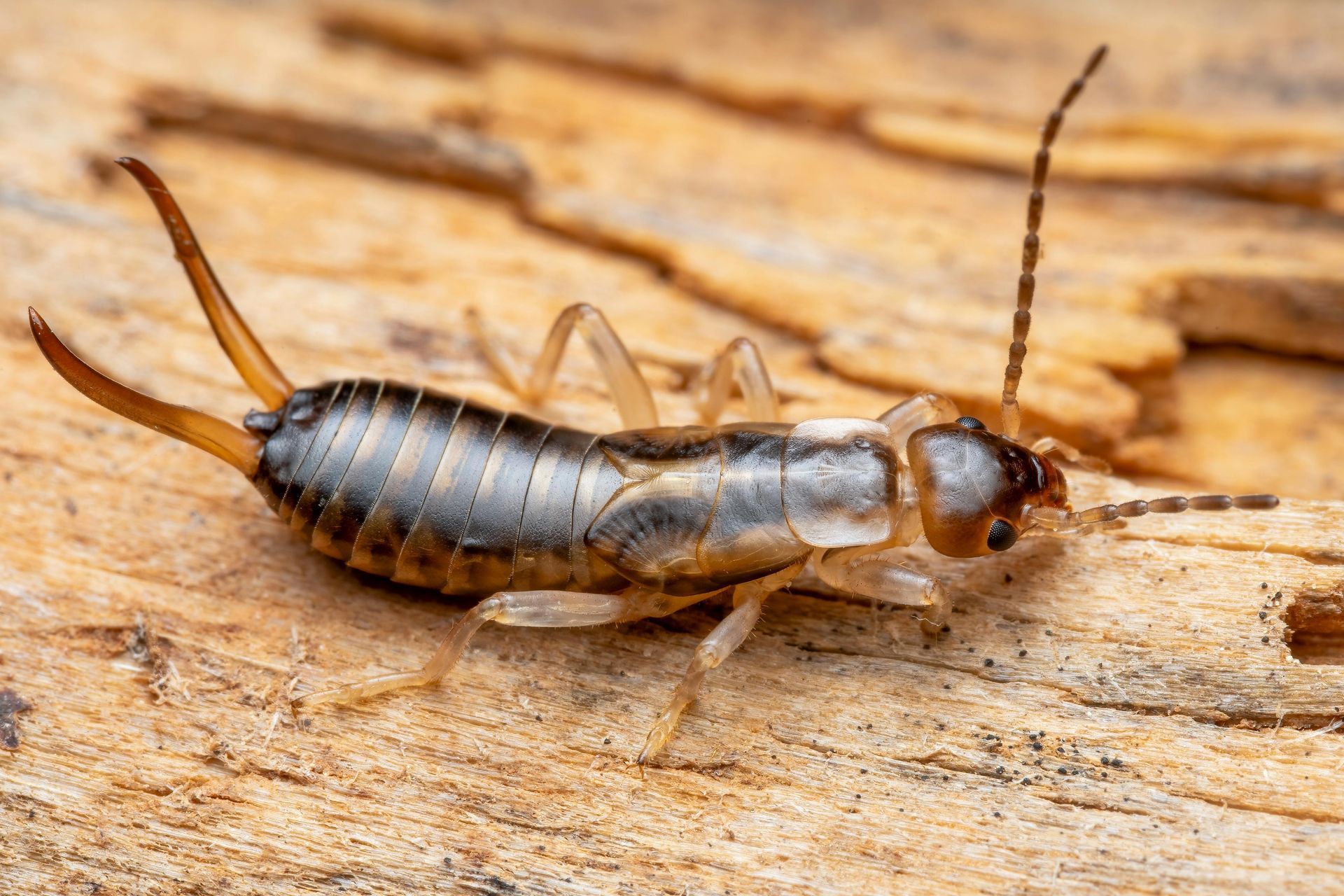
Drywood termites usually get inside through infested furniture, firewood, or lumber. Dampwood termites enter through wet wood with rot and high moisture content.
Unlike subterranean termites, drywood termites need no soil contact. They can arrive inside a home hidden in a chair, a structural beam, or a firewood stack. Once established, they feed within the wood and leave frass behind: tiny wood-colored pellets or fine sawdust visible near the infestation site.
Dampwood termites prefer rotting logs, water-damaged framing, and humid crawl spaces. High humidity keeps wood soft and wet, creating an ideal habitat. Boric acid can help with small spot treatments, but it does not replace comprehensive professional control.
| Termite Type | Main Entry Route | Common Conditions | Typical Clue |
|---|---|---|---|
| Subterranean | Soil, mud tubes, foundation cracks | Moist soil, hidden gaps | Tube-shaped soil trails |
| Drywood | Infested furniture, firewood, lumber | Imported items, dry wood | Frass pellets |
| Dampwood | Wet, rotting wood | Humidity, wood rot, water damage | Soft, damp timber |
What Entry Points Let Termites In?
Wood-to-soil contact, foundation cracks, and utility gaps are the most common termite entry points in residential structures.
- Deck posts, siding, and structural wood that touch or sit near soil create a direct bridge for infestation.
- Foundation cracks and utility openings let termites bypass physical barriers without detection.
- Firewood and mulch stored against the exterior wall can hide active termite colonies within a few feet of the structure.
- Clogged gutters push water against siding and soften exterior wood, giving termites easier access once moisture weakens the material.
- A crack around a pipe or a hairline split in concrete is enough for subterranean termites to pass through.
Most entry points begin with a moisture problem and end with hidden wood damage inside the wall or subfloor.
What Are the Signs of Termite Activity?
Discarded wings, frass deposits, and hollow-sounding wood are the most common signs of termite activity.
- Swarmers leave piles of identical wings near windowsills and light sources after mating flights.
- Stuck windows and doors can appear when termites warp the structural wood around the frame.
- Frass appears near drywood termite activity as tiny pellets or fine sawdust collecting under kick-out holes or near infested trim.
- Hollow-sounding wood often means termites have consumed the interior while leaving the surface intact.
- A screwdriver pressed firmly into sill plates or accessible framing can reveal soft spots and internal feeding cavities before damage becomes visible.
Flying ants are often confused with termite swarmers, but the two differ in three ways: ants have elbowed antennae, pinched waists, and wings of unequal length, while termites have straight antennae, broad waists, and equal-length wings. A licensed termite inspector uses moisture meters and crawlspace checks to locate hidden mud tubes and internal feeding that a homeowner's visual check will not catch. Domination Extermination offers a Termite Inspection and Wood-Destroying Insect (WDI) Report covering interior, exterior, and crawlspace assessment.
How Do Moisture Problems Increase Termite Risk?
Moisture problems increase termite risk because most termite species need high humidity to survive and feed efficiently. Dampwood termites especially thrive in basements, crawl spaces, and wood with active rot.
Poor drainage keeps excess moisture near foundations and sustains subterranean termite foraging through the soil. Clogged gutters soften exterior wood and make it easier for termites to enter once surface integrity breaks down. Leaky pipes inside walls create the same conditions in concealed framing, where termites can feed undetected for months.
Crawl space ventilation, grading correction, and gutter maintenance are the three moisture-reduction steps that most directly lower termite habitat quality around a home's foundation.
How Can Homeowners Prevent Termites From Getting In?
Homeowners prevent termites by reducing moisture, eliminating wood-to-soil contact, and keeping cellulose materials away from the foundation.
- Store firewood at least 20 feet from the structure and elevated off the ground.
- Keep mulch beds at least 6 inches from siding and foundation walls.
- Fix leaky pipes, improve drainage grading, and clear gutters regularly to reduce moisture near the foundation.
- Apply borate wood treatment during construction to provide long-term protection in framing and structural wood before termites arrive.
- Use termite bait stations to eliminate colonies over time by spreading a slow-acting toxicant through foraging workers back to the nest.
- Apply liquid termiticide soil treatment to create a chemical barrier around the foundation perimeter that blocks subterranean travel routes. Non-repellent termiticides like fipronil work by allowing termites to transfer the active ingredient throughout the colony without detecting the chemical, eliminating workers and reproductives over time.
- Reserve boric acid for limited spot treatment only. It does not control an established infestation.
Domination Extermination can help homeowners compare liquid soil treatment, in-ground bait station systems, and spot drywood treatment options. See how our termite control services work and schedule an inspection.
FAQs
How do you tell termites from flying ants?
Termites differ from flying ants in three ways: antennae shape, waist width, and wing length. Termites have straight antennae, broad waists, and wings of equal length on both sides. Flying ants have elbowed antennae, pinched waists, and rear wings shorter than their front wings. During swarming season, this distinction helps homeowners identify whether the winged insects near windows indicate a termite colony nearby.
What does termite frass look like?
Frass looks like tiny wood-colored pellets or fine sawdust that collect near drywood termite activity. The pellets typically accumulate under kick-out holes in infested wood or near baseboards and window trim. Frass is one of the clearest visible indicators of drywood termite presence and should prompt a professional inspection rather than a DIY treatment attempt.
Can a screwdriver really find termite damage?
A screwdriver can expose soft wood, hollow spots, and internal feeding damage in accessible framing. Pressing the blade firmly into sill plates, window frames, and exposed joists will reveal whether the wood gives way more easily than it should. The test works best on trim, sill plates, and any wood that shows surface discoloration or slight warping, and should be followed by a licensed inspection if soft spots are found.
Where do subterranean termites usually enter?
Subterranean termites most commonly enter through soil-to-wood contact points, foundation cracks, and gaps around utility lines. Their mud tubes protect them as they travel from underground colonies to wood above the slab. Cracks as small as 1/32 of an inch provide enough clearance for worker termites to pass through, which is why foundation inspections focus on the full perimeter rather than obvious openings only.
Why do damp basements raise termite risk?
Damp basements raise termite risk because high humidity supports wood rot and creates the conditions dampwood termites need to establish and feed. Poor ventilation, active leaks, and wet framing all contribute to this environment. Crawl space ventilation, a vapor barrier, and prompt repair of any plumbing leaks are the most direct ways to lower moisture levels and reduce the habitat quality termites look for.
Does homeowners insurance cover termite damage?
Homeowners insurance typically does not cover termite damage because most policies classify infestations as a preventable maintenance issue rather than a sudden or accidental loss. Repair costs for structural damage, flooring, and framing fall on the homeowner. Scheduling a professional termite inspection before damage spreads is the most direct way to avoid out-of-pocket repair costs that insurance will not reimburse.
About the Author
Domenic Anastasia founded Domination Extermination in Mantua, NJ, in 2025 after more than a decade of experience in pest control. A licensed NJ DEP pesticide applicator, Domenic applies IPM-based treatment strategies to eradicate complex termite and pest infestations across Gloucester County and South Jersey. Domination Extermination is fully licensed and insured
Last updated: June 2026